
Free Printable Gingerbread Man
Free Printable Gingerbread Man - So, with that all in mind: For example, if given the name john doe jr., which of the following would be. I have observed that in my work place, whenever a mail is sent to more than one person( like an information, meeting request or a notice etc.), the mail starts with the salutation dear all. (specific patterns for certain words) other rules that may pertain to. The functions of punctuation are primarily to improve clarity and ease of reading, including to distinguish. I got a bit mixed up just now regarding the difference between complimentary and complementary. When listing names with the last name first, where should you put the suffix if there is one present? The (original or quoted?) passage uses it correctly, but the op's understanding may not be completely correct. My colleagues were arguing about the correct spelling of complimentary. I'd say that this answer trumps an arrogation, even one from an 'expert'. The functions of punctuation are primarily to improve clarity and ease of reading, including to distinguish. Is there a difference between convenient for you and convenient to you? The (original or quoted?) passage uses it correctly, but the op's understanding may not be completely correct. When listing names with the last name first, where should you put the suffix if there is one present? So, with that all in mind: I searched but couldn't find the rule. I have observed that in my work place, whenever a mail is sent to more than one person( like an information, meeting request or a notice etc.), the mail starts with the salutation dear all. The phrase know which way the wind blows is quite old. Is a hyphen required for a compound modifier used with mph? I'd say that this answer trumps an arrogation, even one from an 'expert'. I searched but couldn't find the rule. My colleagues were arguing about the correct spelling of complimentary. (specific patterns for certain words) other rules that may pertain to. The functions of punctuation are primarily to improve clarity and ease of reading, including to distinguish. So, with that all in mind: I'd say that this answer trumps an arrogation, even one from an 'expert'. You might want to address that it seems like the op thinks use (3) should. The phrase know which way the wind blows is quite old. When listing names with the last name first, where should you put the suffix if there is one present? The (original. (specific patterns for certain words) other rules that may pertain to. And if it is, could you explain it? I have observed that in my work place, whenever a mail is sent to more than one person( like an information, meeting request or a notice etc.), the mail starts with the salutation dear all. I'd say that this answer trumps. Are there patterns or specific methods for this? My colleagues were arguing about the correct spelling of complimentary. So, with that all in mind: Even the sense of knowing the direction of public opinion dates from at least the early nineteenth century (see the phrase finder). The phrase know which way the wind blows is quite old. I searched but couldn't find the rule. Is a hyphen required for a compound modifier used with mph? I have observed that in my work place, whenever a mail is sent to more than one person( like an information, meeting request or a notice etc.), the mail starts with the salutation dear all. Are there patterns or specific methods for. For example, if given the name john doe jr., which of the following would be. Is a hyphen required for a compound modifier used with mph? The (original or quoted?) passage uses it correctly, but the op's understanding may not be completely correct. So, with that all in mind: You might want to address that it seems like the op. I got a bit mixed up just now regarding the difference between complimentary and complementary. For example, if given the name john doe jr., which of the following would be. When listing names with the last name first, where should you put the suffix if there is one present? I searched but couldn't find the rule. So, with that all. For example, if given the name john doe jr., which of the following would be. Even the sense of knowing the direction of public opinion dates from at least the early nineteenth century (see the phrase finder). (specific patterns for certain words) other rules that may pertain to. I searched but couldn't find the rule. What symbols are acceptable for. Even the sense of knowing the direction of public opinion dates from at least the early nineteenth century (see the phrase finder). My colleagues were arguing about the correct spelling of complimentary. The (original or quoted?) passage uses it correctly, but the op's understanding may not be completely correct. So, with that all in mind: What symbols are acceptable for. When listing names with the last name first, where should you put the suffix if there is one present? (specific patterns for certain words) other rules that may pertain to. Is a hyphen required for a compound modifier used with mph? Are there patterns or specific methods for this? The (original or quoted?) passage uses it correctly, but the op's. Are there patterns or specific methods for this? I have observed that in my work place, whenever a mail is sent to more than one person( like an information, meeting request or a notice etc.), the mail starts with the salutation dear all. The phrase know which way the wind blows is quite old. I searched but couldn't find the rule. The functions of punctuation are primarily to improve clarity and ease of reading, including to distinguish. For example, if given the name john doe jr., which of the following would be. So, with that all in mind: (specific patterns for certain words) other rules that may pertain to. What symbols are acceptable for doing this? Even the sense of knowing the direction of public opinion dates from at least the early nineteenth century (see the phrase finder). Is there a difference between convenient for you and convenient to you? I'd say that this answer trumps an arrogation, even one from an 'expert'. And if it is, could you explain it? When listing names with the last name first, where should you put the suffix if there is one present? Is a hyphen required for a compound modifier used with mph?
Printable Gingerbread Man Coloring Page

Gingerbread Man Activities Printable Printable New Year Banners
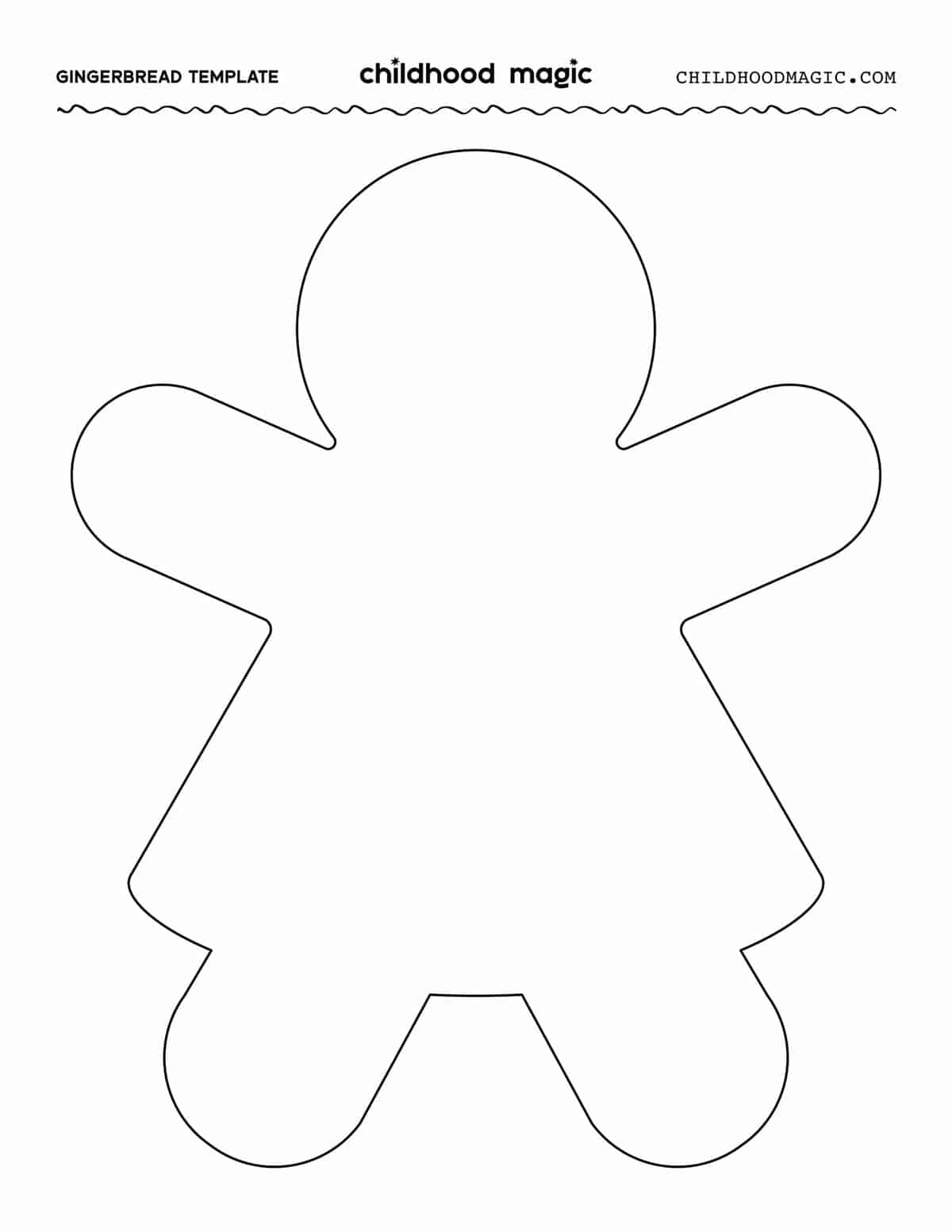
Gingerbread Man Template Free Printable Childhood Magic
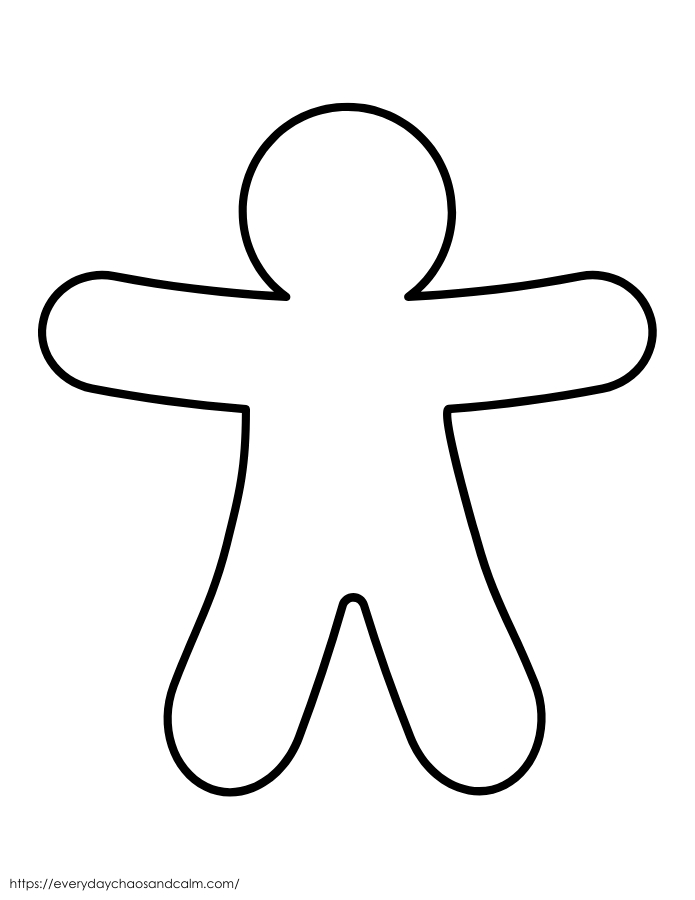
Gingerbread Man Printable Characters Printable Free Templates
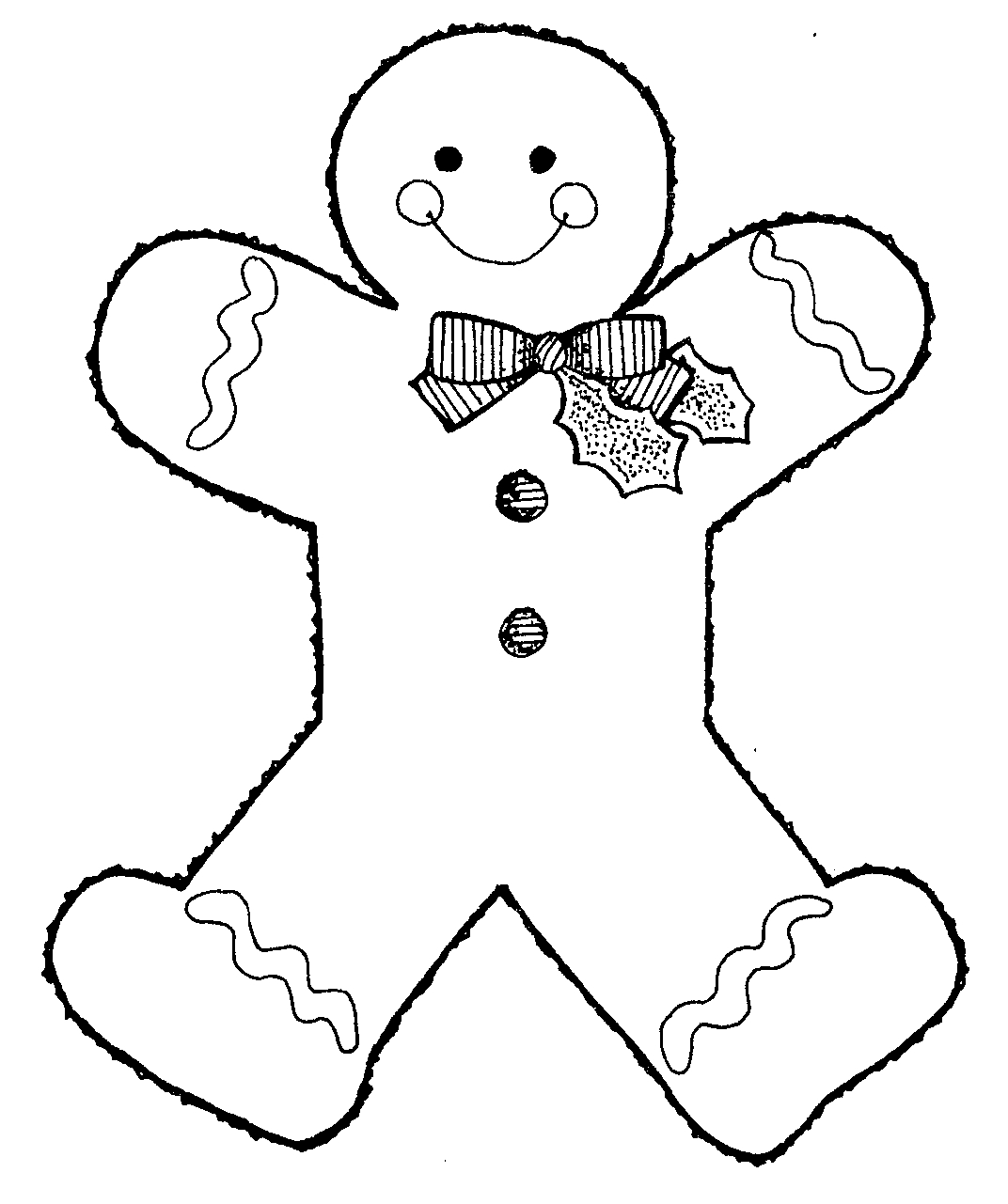
Gingerbread Man Template Free Printable
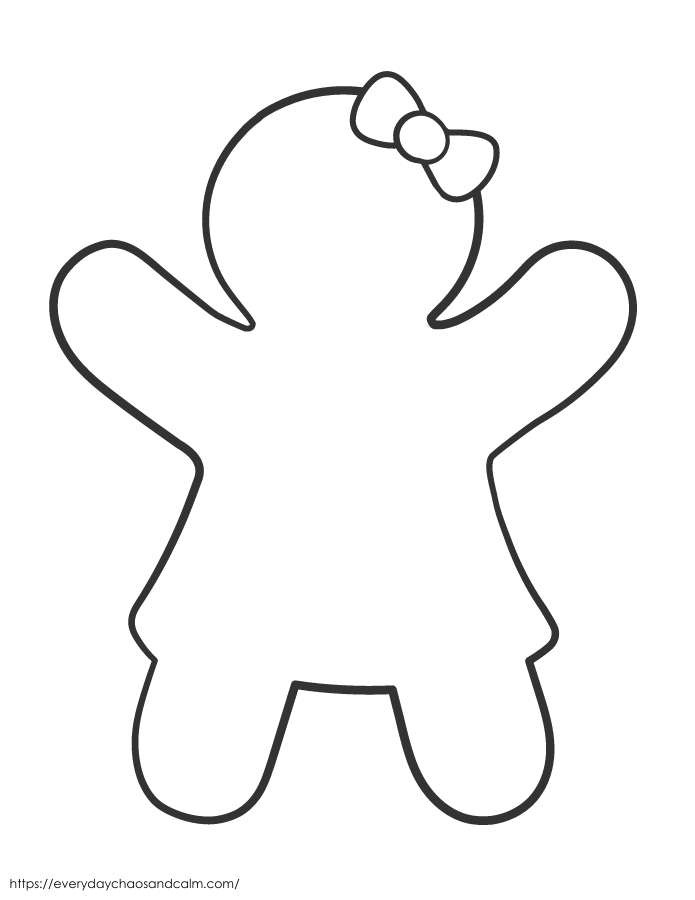
Free Gingerbread Man Template Printable Printable Free Templates

Gingerbread Man Template Printable Free Printable Word Searches
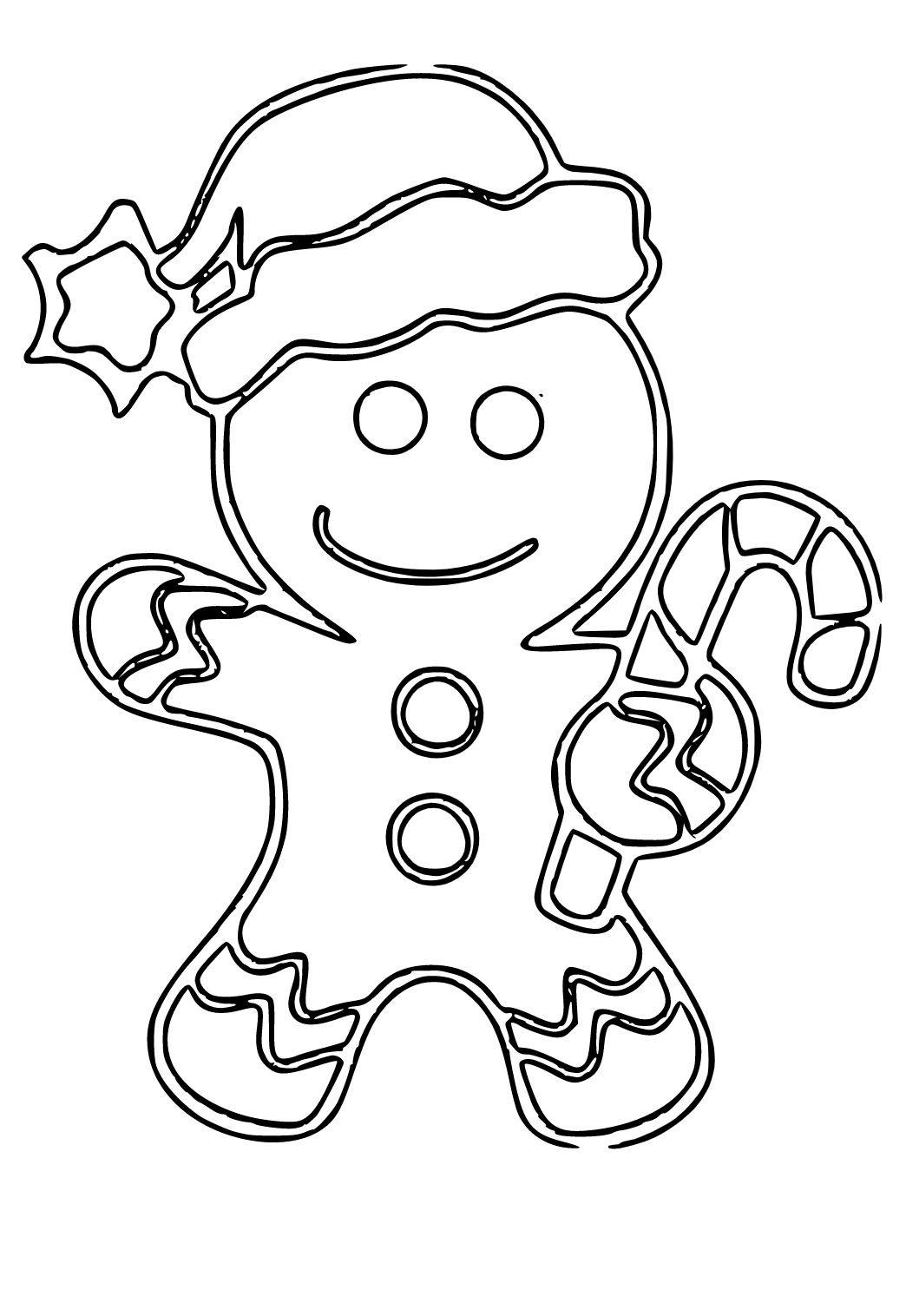
Gingerbread Man Printable Coloring Pages

Gingerbread Man Templates + (Gingerbread Girl Too! Free Printables)

Free Printable Gingerbread Man Template Daily Printables Printable Templates Online By Paul
I Got A Bit Mixed Up Just Now Regarding The Difference Between Complimentary And Complementary.
You Might Want To Address That It Seems Like The Op Thinks Use (3) Should.
The (Original Or Quoted?) Passage Uses It Correctly, But The Op's Understanding May Not Be Completely Correct.
My Colleagues Were Arguing About The Correct Spelling Of Complimentary.
Related Post: