
Lava Lamp Printable
Lava Lamp Printable - When a volcano erupts, the molten rock that comes out of the earth is called lava. They’re classified by their varying levels of silica. There are 4 main types of lava: Magma and lava are intrinsically connected, representing different stages of molten rock’s journey from beneath the earth’s surface to the world above. Learn about lava, the molten rock that erupts from volcanoes and its types, formation process, and the transformative impact it has on earth's surface and ecosystems. There are three main types of lava: When magma flows or erupts onto earth’s surface, it is called lava. Looking down at a cooled lava flow, you see a black, glassy, vesicular (“spongy”) rock. Lava may be erupted at a volcano or through a fracture in the crust, on land or underwater, usually at temperatures from 800 to 1,200 °c (1,470 to 2,190 °f). The term ‘lava’ is also used for the solidified rock formed by the cooling of a molten lava flow. There are three main types of lava: Lava rocks are a type of igneous rock known as. Lava may be erupted at a volcano or through a fracture in the crust, on land or underwater, usually at temperatures from 800 to 1,200 °c (1,470 to 2,190 °f). There are 4 main types of lava: Lava is so hot, it remains molten and flows until it cools and hardens into rock. Looking down at a cooled lava flow, you see a black, glassy, vesicular (“spongy”) rock. Learn more about them here! The term ‘lava’ is also used for the solidified rock formed by the cooling of a molten lava flow. Learn about lava, the molten rock that erupts from volcanoes and its types, formation process, and the transformative impact it has on earth's surface and ecosystems. Felsic, andesitic, basaltic, and ultramafic. Like solid rock, magma is a mixture of minerals. Learn about lava, the molten rock that erupts from volcanoes and its types, formation process, and the transformative impact it has on earth's surface and ecosystems. When magma flows or erupts onto earth’s surface, it is called lava. Felsic, andesitic, basaltic, and ultramafic. Lava molten rock or magma that reaches the. Lava may be erupted at a volcano or through a fracture in the crust, on land or underwater, usually at temperatures from 800 to 1,200 °c (1,470 to 2,190 °f). When magma flows or erupts onto earth’s surface, it is called lava. There are three main types of lava: Lava is so hot, it remains molten and flows until it. Lava may be erupted at a volcano or through a fracture in the crust, on land or underwater, usually at temperatures from 800 to 1,200 °c (1,470 to 2,190 °f). Felsic, andesitic, basaltic, and ultramafic. It also contains small amounts of dissolved gases such as. There are three main types of lava: Lava, magma (molten rock) emerging as a liquid. Like solid rock, magma is a mixture of minerals. It also contains small amounts of dissolved gases such as. The term ‘lava’ is also used for the solidified rock formed by the cooling of a molten lava flow. When magma flows or erupts onto earth’s surface, it is called lava. Lava rocks are a type of igneous rock known as. Looking down at a cooled lava flow, you see a black, glassy, vesicular (“spongy”) rock. When a volcano erupts, the molten rock that comes out of the earth is called lava. Like solid rock, magma is a mixture of minerals. What is lava made of? Magma and lava are intrinsically connected, representing different stages of molten rock’s journey from beneath. Lava may be erupted at a volcano or through a fracture in the crust, on land or underwater, usually at temperatures from 800 to 1,200 °c (1,470 to 2,190 °f). When a volcano erupts, the molten rock that comes out of the earth is called lava. What is lava made of? It also contains small amounts of dissolved gases such. Looking down at a cooled lava flow, you see a black, glassy, vesicular (“spongy”) rock. Lava may be erupted at a volcano or through a fracture in the crust, on land or underwater, usually at temperatures from 800 to 1,200 °c (1,470 to 2,190 °f). Lava is so hot, it remains molten and flows until it cools and hardens into. Felsic, andesitic, basaltic, and ultramafic. Learn about lava, the molten rock that erupts from volcanoes and its types, formation process, and the transformative impact it has on earth's surface and ecosystems. Lava molten rock or magma that reaches the earth 's surface and flows out through a volcanic vent in streams or sheets. Magma and lava are intrinsically connected, representing. Lava rocks are a type of igneous rock known as. There are three main types of lava: When a volcano erupts, the molten rock that comes out of the earth is called lava. Looking down at a cooled lava flow, you see a black, glassy, vesicular (“spongy”) rock. Lava, magma (molten rock) emerging as a liquid onto earth’s surface. Lava rocks are a type of igneous rock known as. It also contains small amounts of dissolved gases such as. Looking down at a cooled lava flow, you see a black, glassy, vesicular (“spongy”) rock. Lava is so hot, it remains molten and flows until it cools and hardens into rock. There are 4 main types of lava: When a volcano erupts, the molten rock that comes out of the earth is called lava. There are 4 main types of lava: Magma and lava are intrinsically connected, representing different stages of molten rock’s journey from beneath the earth’s surface to the world above. Like solid rock, magma is a mixture of minerals. What is lava made of? Learn about lava, the molten rock that erupts from volcanoes and its types, formation process, and the transformative impact it has on earth's surface and ecosystems. It also contains small amounts of dissolved gases such as. There are three main types of lava: The term ‘lava’ is also used for the solidified rock formed by the cooling of a molten lava flow. Lava, magma (molten rock) emerging as a liquid onto earth’s surface. They’re classified by their varying levels of silica. Felsic, andesitic, basaltic, and ultramafic. Learn more about them here! Looking down at a cooled lava flow, you see a black, glassy, vesicular (“spongy”) rock. Lava may be erupted at a volcano or through a fracture in the crust, on land or underwater, usually at temperatures from 800 to 1,200 °c (1,470 to 2,190 °f). The molten rock released during an eruption is referred to as lava, which rapidly cools and crystallizes to form igneous rocks.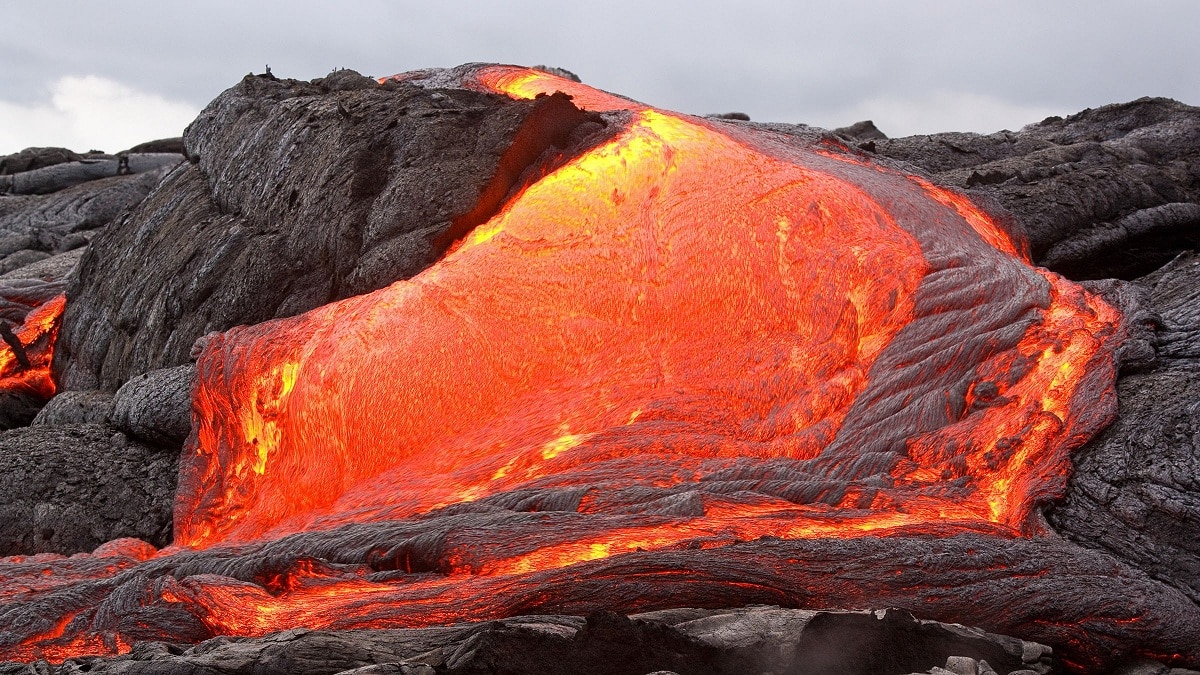
o que é lava
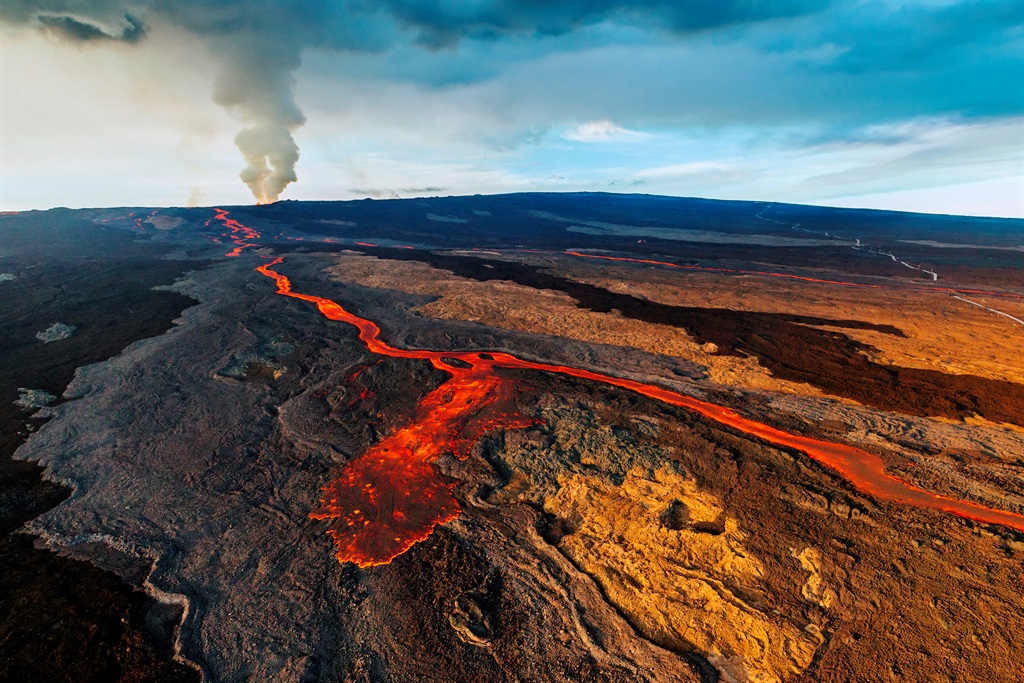
Visitors flock to Hawaiian volcano to see glowing lava flows News24
Lava Wallpapers Top Free Lava Backgrounds Wallpaperaccess
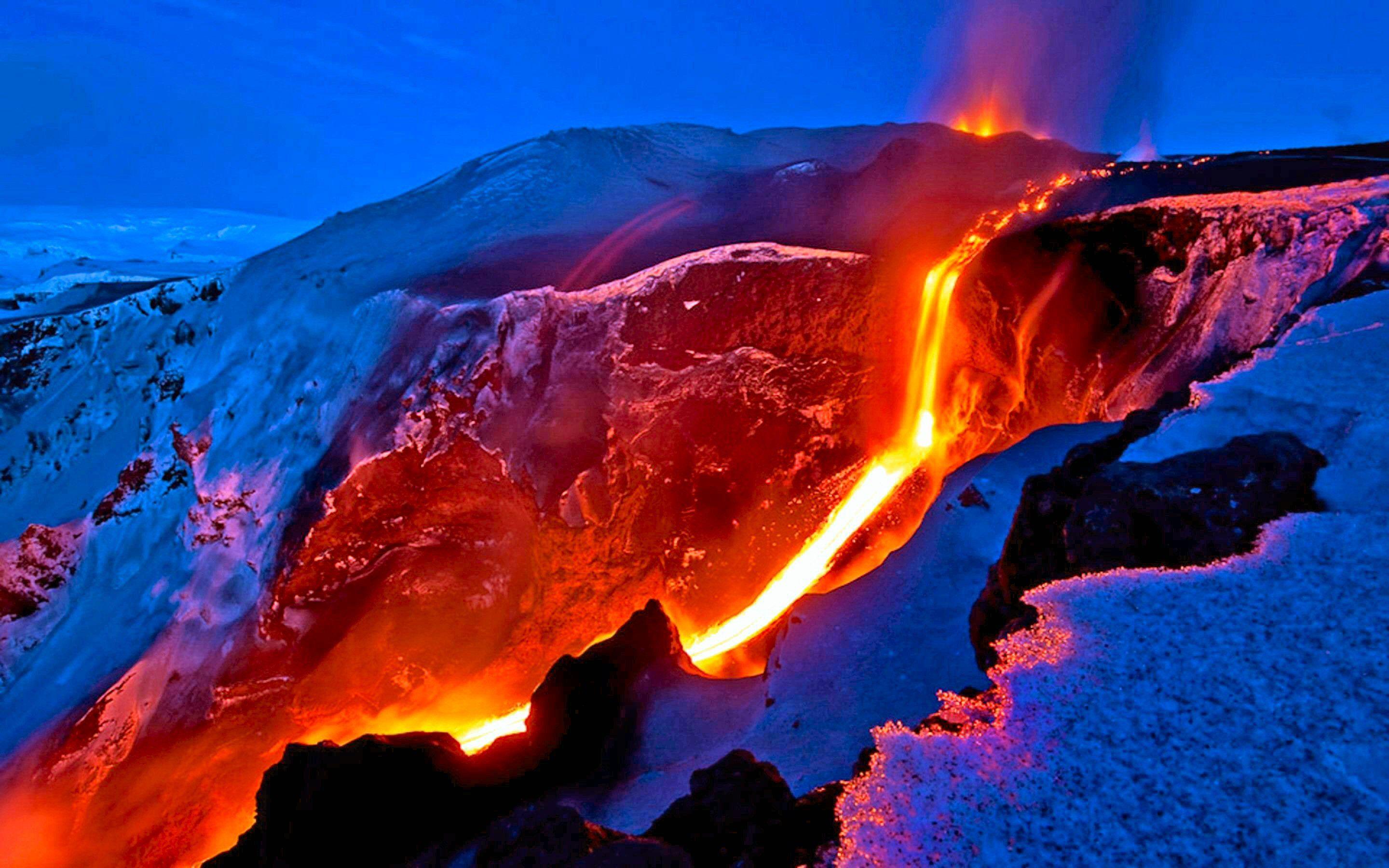
Lava 4k Wallpapers Wallpaper Cave
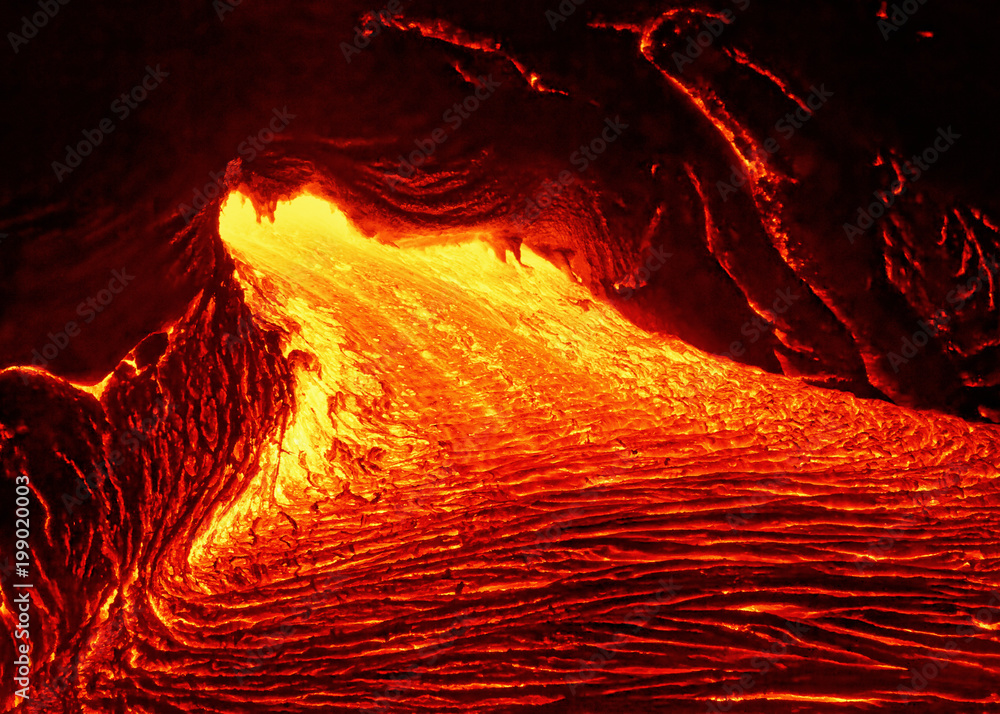
Scenic view of a part of a lava flow in the dark, the hot lava shows up
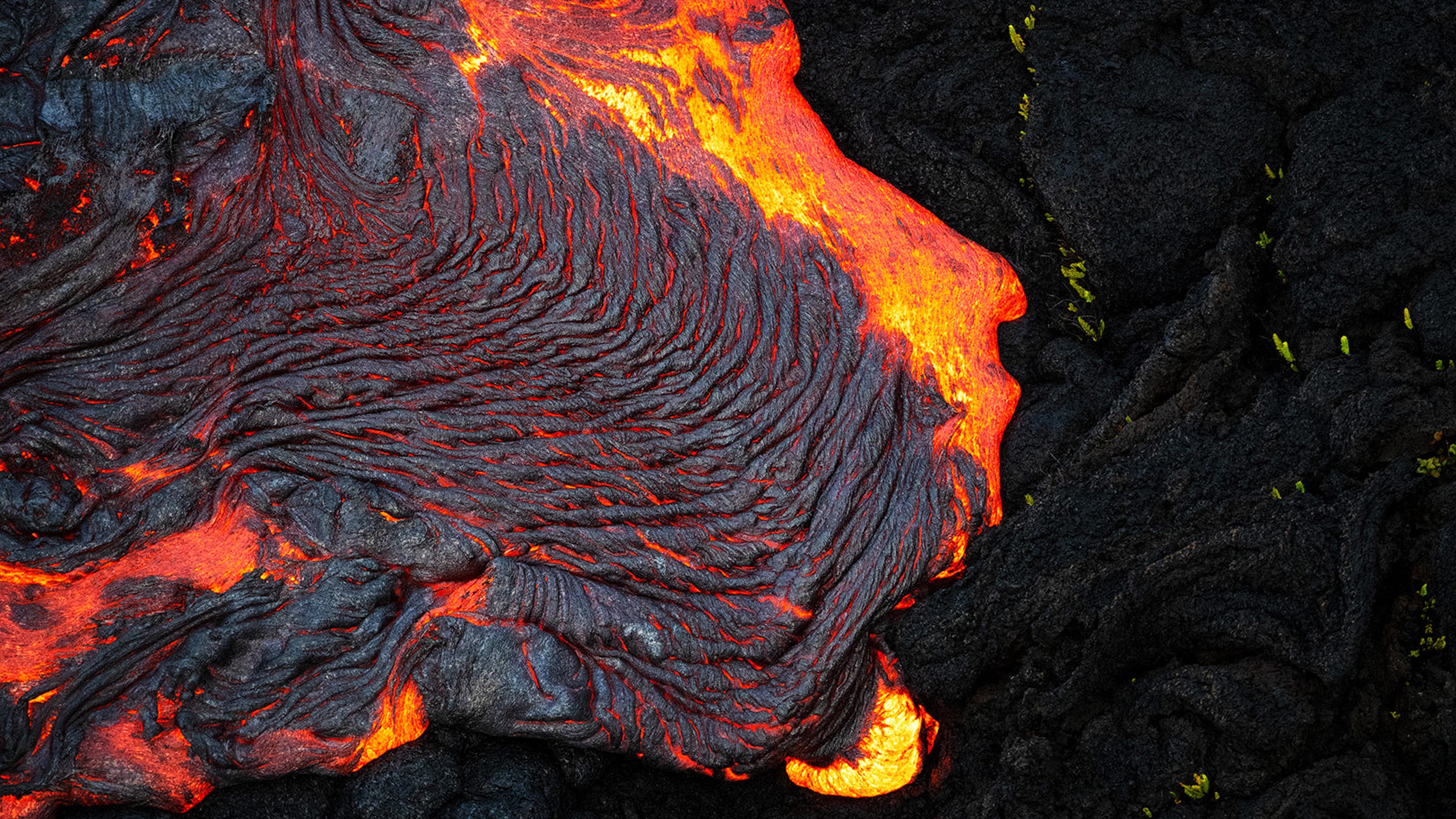
Trespassing hikers ignore warnings of fastflowing lava at Hawaiian
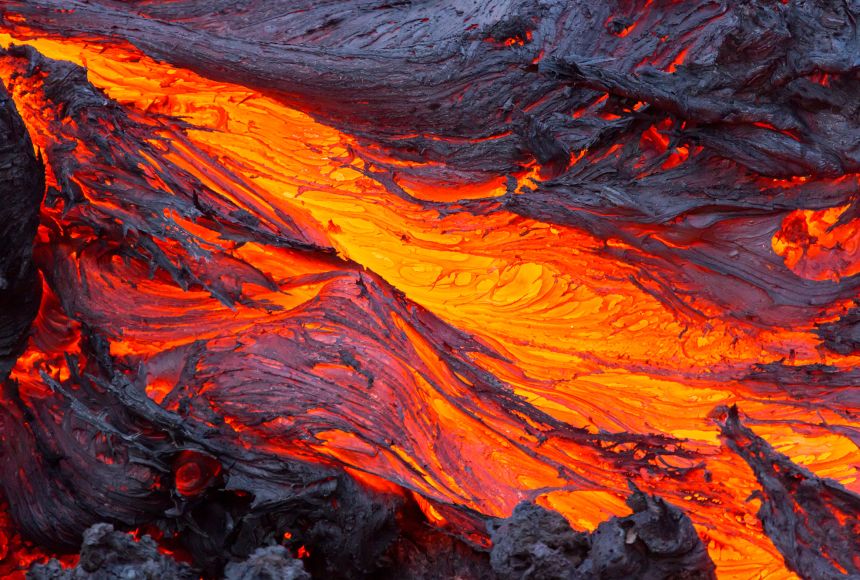
Magma
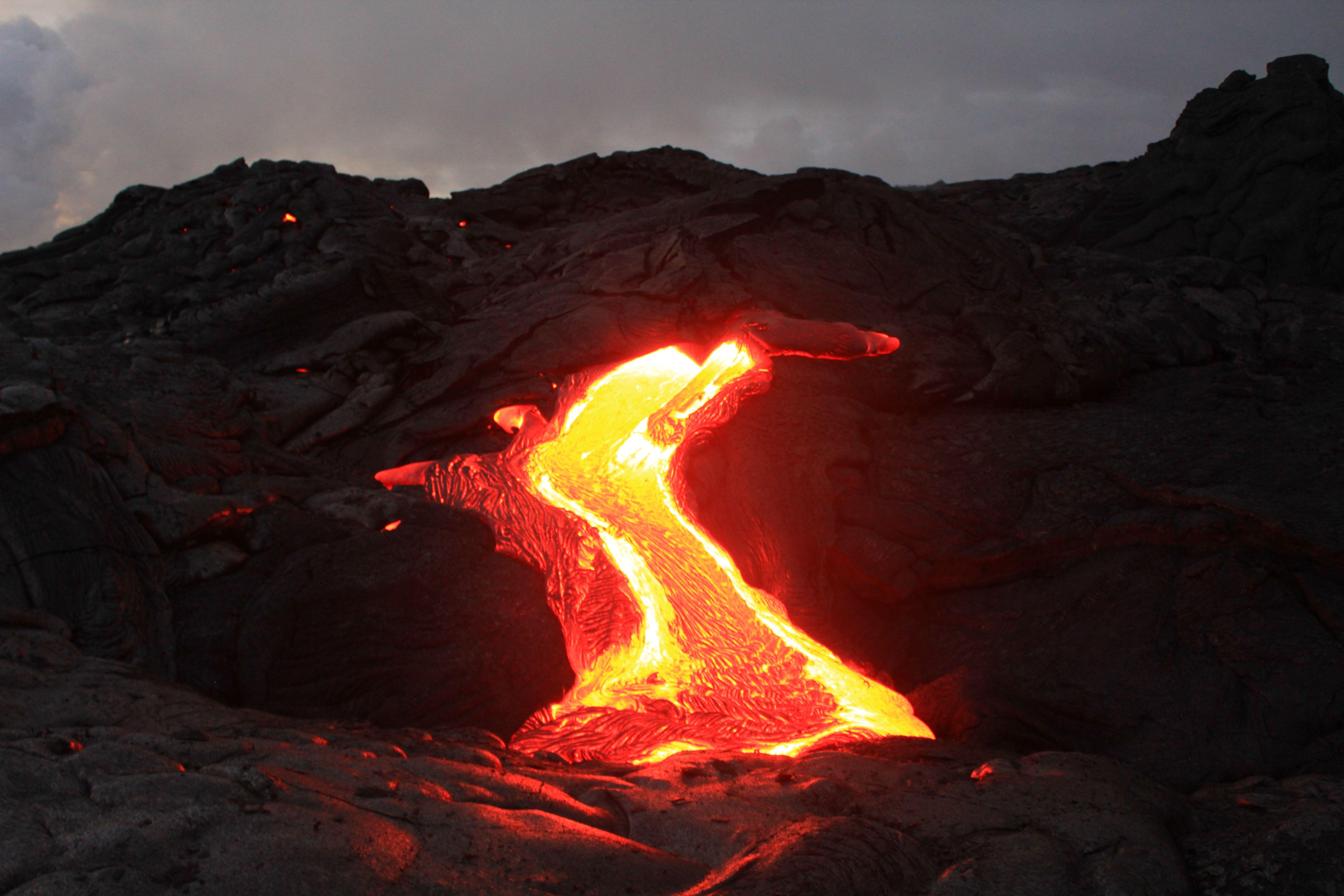
Lava Flow Wallpaper
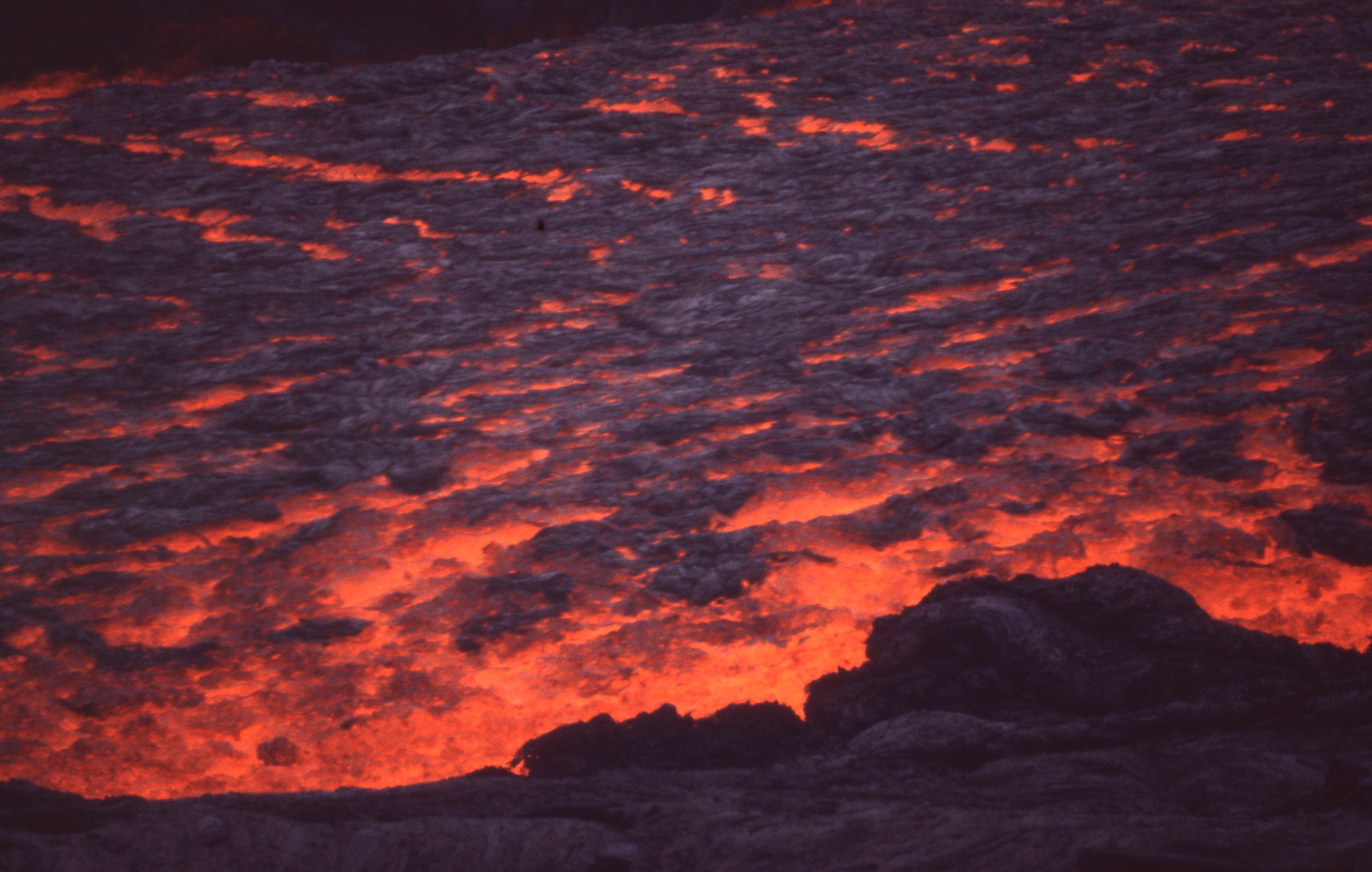
Basaltic Lava Flows Volcanoes, Craters & Lava Flows (U.S. National
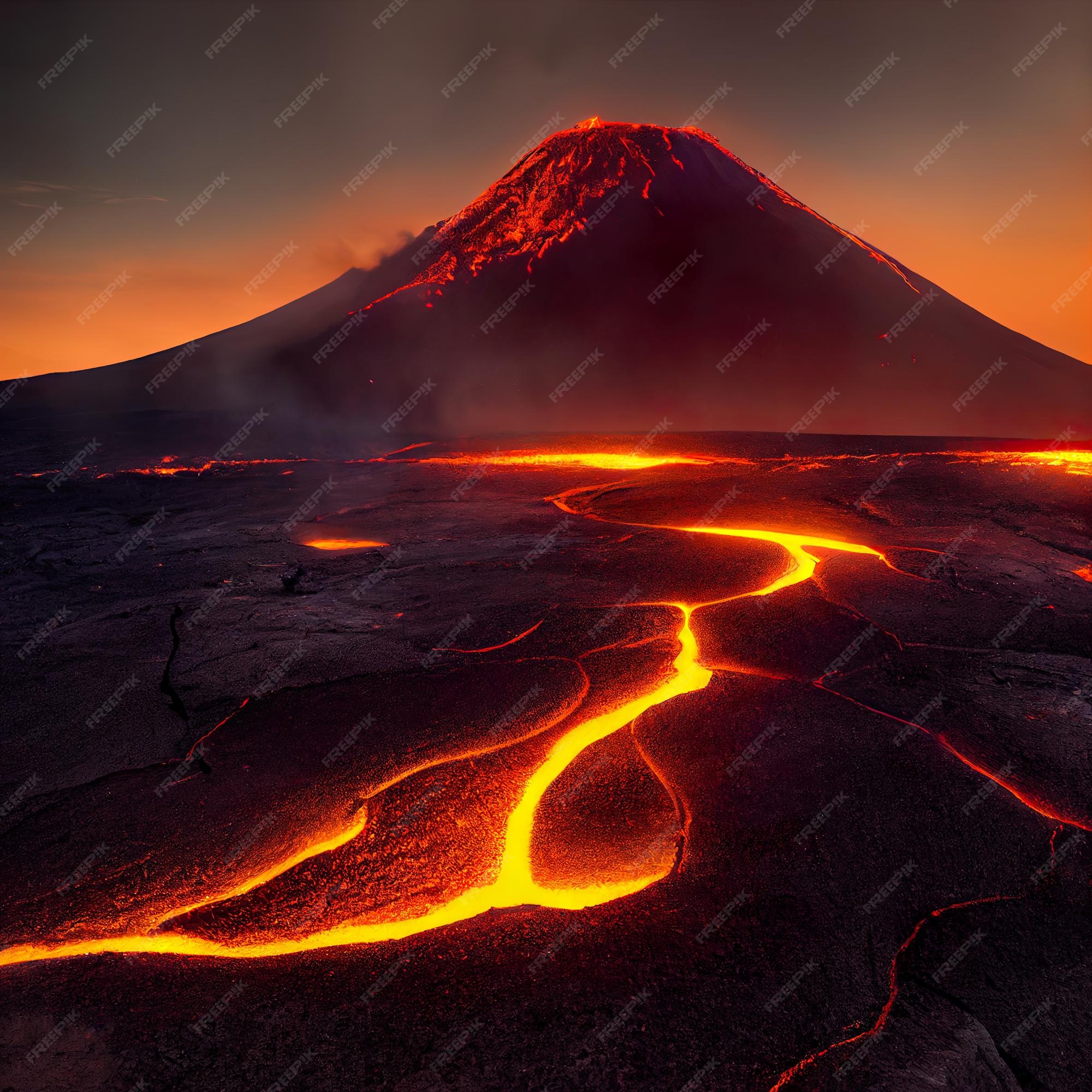
Premium Photo Volcanic eruption and lava Active Volcano digital art
Lava Molten Rock Or Magma That Reaches The Earth 'S Surface And Flows Out Through A Volcanic Vent In Streams Or Sheets.
Lava Is So Hot, It Remains Molten And Flows Until It Cools And Hardens Into Rock.
When Magma Flows Or Erupts Onto Earth’s Surface, It Is Called Lava.
Lava Rocks Are A Type Of Igneous Rock Known As.
Related Post: